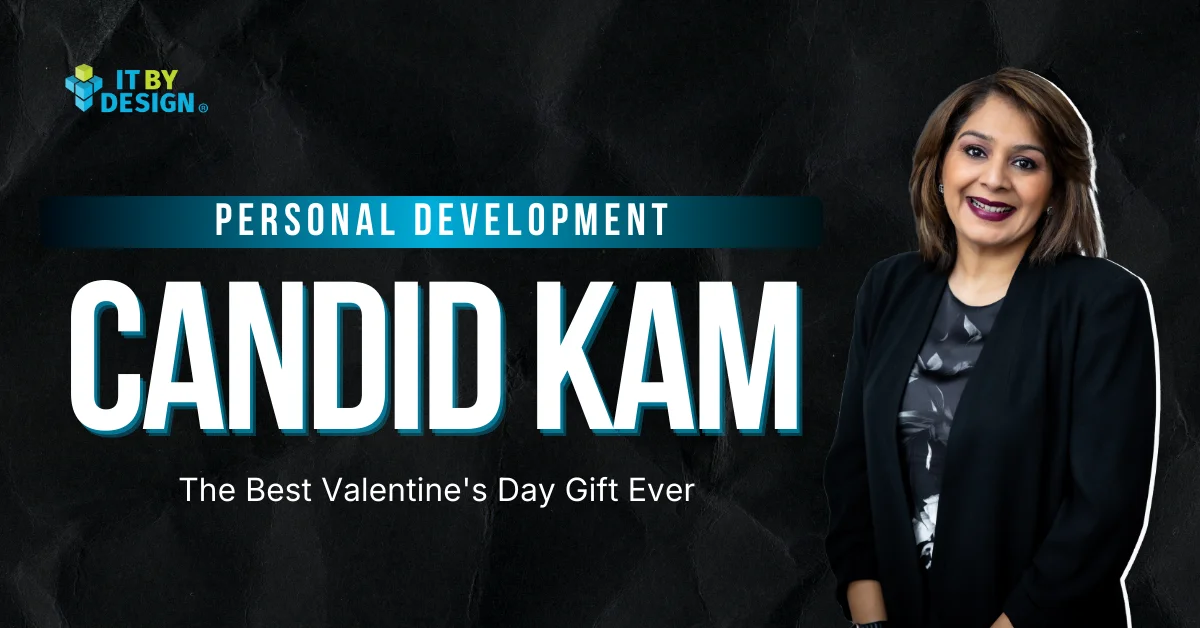
OK, this might say something about me, but I’ll be honest: this Valentine’s Day, my husband got me a Claude Pro license and I was genuinely giddy. (I know. The nerd is fully out. Don’t judge me 😊.)
My sons thought it was hilarious. Sunny thought it was perfect. And honestly, it was.
And yes, it’s now March, and I’m just getting around to telling you about it, because it’s taken me a few weeks to really understand how amazing this gift really was.
From Tool to Thinking Partner
Here’s what I’ve noticed after really committing to using AI tools over the past several months: the people who get the most out of them aren’t necessarily the most technical. They’re the ones who treat the tool like a thinking partner rather than a search engine.
That shift in mindset is everything.
When I stopped asking AI to just “write me something” and started having actual back-and-forth conversations with it, drafting ideas, stress-testing decisions, and pressure-checking my own thinking, the quality of what came out got dramatically better.
It took me a little while to figure that out, and I wish someone had told me sooner.
Another thing I learned: the prompt matters more than the tool. I spent a lot of time early on being frustrated with mediocre outputs, and almost every time I went back and looked at what I’d asked, the prompt was vague.
Vague in, vague out.
When I started being specific, giving context, explaining the audience, describing the tone I wanted, and sometimes even showing an example, the results changed completely. This is a learnable skill, and it’s worth investing the time.
What Leaders Need to Get Right About AI
One of my favorite things I’ve built recently is a set of custom Skills inside Claude. These are essentially saved instructions that tell the AI exactly how I think, how I write, and what I care about.
Now when I sit down to draft an email or prep for a leadership conversation, I’m not starting from scratch every time. I have a content writer, a brand voice guardian, and a communications strategist all ready to go. And they all sound like me because I trained them to. (It sounds more complicated than it is, I promise.)
For leaders specifically, I want to put something on your radar that I don’t think gets talked about enough: the governance piece.
A lot of business owners I talk to have already given their teams access to ChatGPT or Claude or Gemini, which is great, but very few have sat down and thought through the guardrails.
What information is your team putting into these tools? Are they uploading client data, financial documents, or sensitive internal files?
Most public AI models are not set up to protect that information the way you’d assume. Security settings matter. Usage policies matter. Having a corporate account with guardrails built in matters.
And most importantly, having a conversation with your team about what’s appropriate to put in versus what stays offline is not optional anymore. It’s a leadership responsibility.
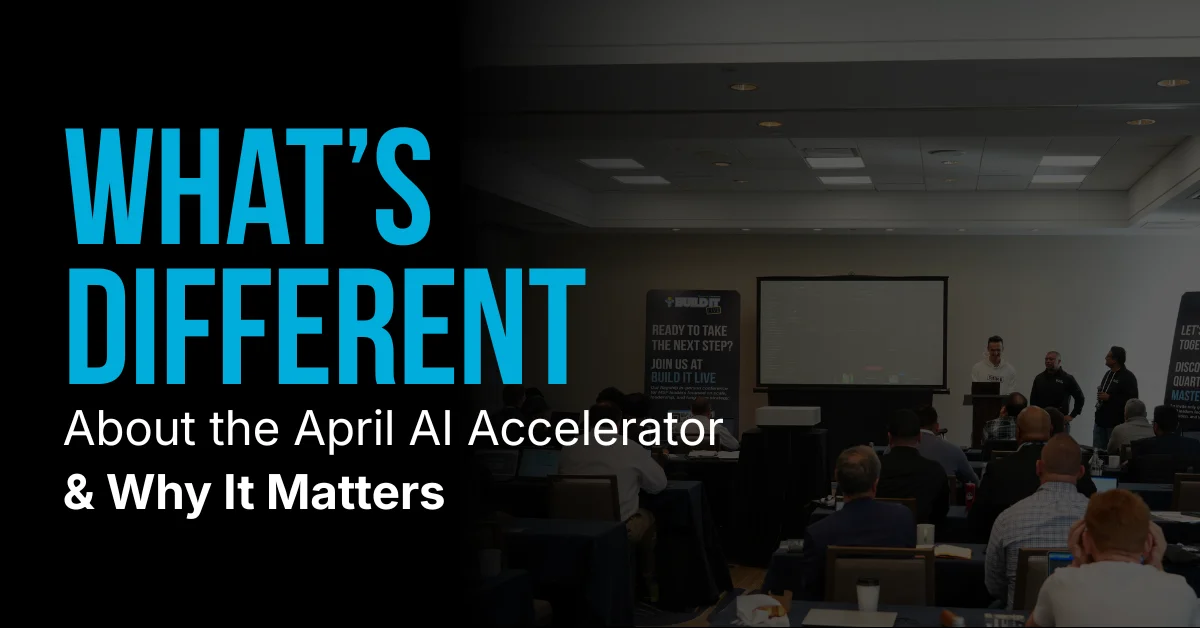
That’s actually what pushed us to build our AI Accelerator program at IT By Design. We kept having these conversations with MSP owners who were enthusiastic about AI but hadn’t worked through the practical questions yet.
Customers were asking about it, but what was the business model? How do you govern it? What should you include? How can you build Claude skills and use code?
So, we thought, let’s just get a small group together and do this properly. Two days. Working sessions. Real frameworks.
If you’re curious, our next cohort of the AI Accelerator is on April 13-14 in Freehold, NJ.
The Real Takeaway
I mention this because many of you don’t know where to go or how to get trained on these yet. A lot of schools are still catching up, and the best teachers are the ones who are actively building these models for others.
But whether that’s for you, here’s the thing I want you to walk away with:
The best investment you can make in your career right now is learning these tools with intention, not just dabbling.
Pick one. Commit to it for 30 days. Push yourself past the surface-level use cases.
The people who figure this out are going to have a real advantage.
And I’d rather that be you than someone else sitting across the table from you.