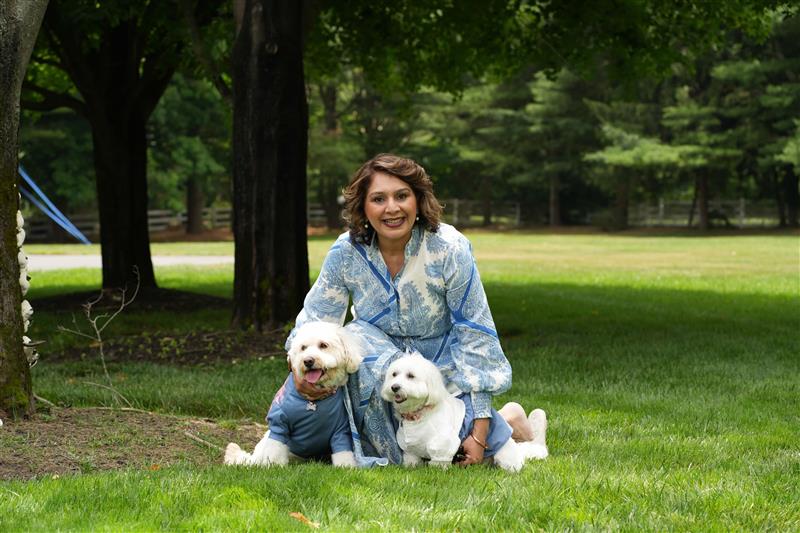
Those of you who know me know that I am absolutely, unapologetically obsessed with my Lily. She was my first puppy, and while I love her and Maya with equal ferocity, there is a very specific tug that comes with your firstborn, whether that’s a child or, in my case, a Maltese. (God gave me boys. I bought two little girls. Best decision I’ve ever made. 🙂 )
So recently I noticed something that had me laughing out loud in my kitchen. Whenever I share food with the girls, Lily will not eat until Maya takes the first bite. She just sits there, completely still, watching Maya like a tiny, furry quality control manager. And it hit me: this is exactly what royal food tasters used to do for kings, eat first to make sure nothing was poisoned. Now, I’m fairly confident Lily doesn’t think I’m trying to poison her. But she has absolutely figured out that Maya will eat anything, so if Maya turns something down, it must be genuinely bad. Lily is just using data. She’s running a process. She’s smarter than half the meetings I’ve sat in. 😊
Before I go further, let me introduce the stars of this story –
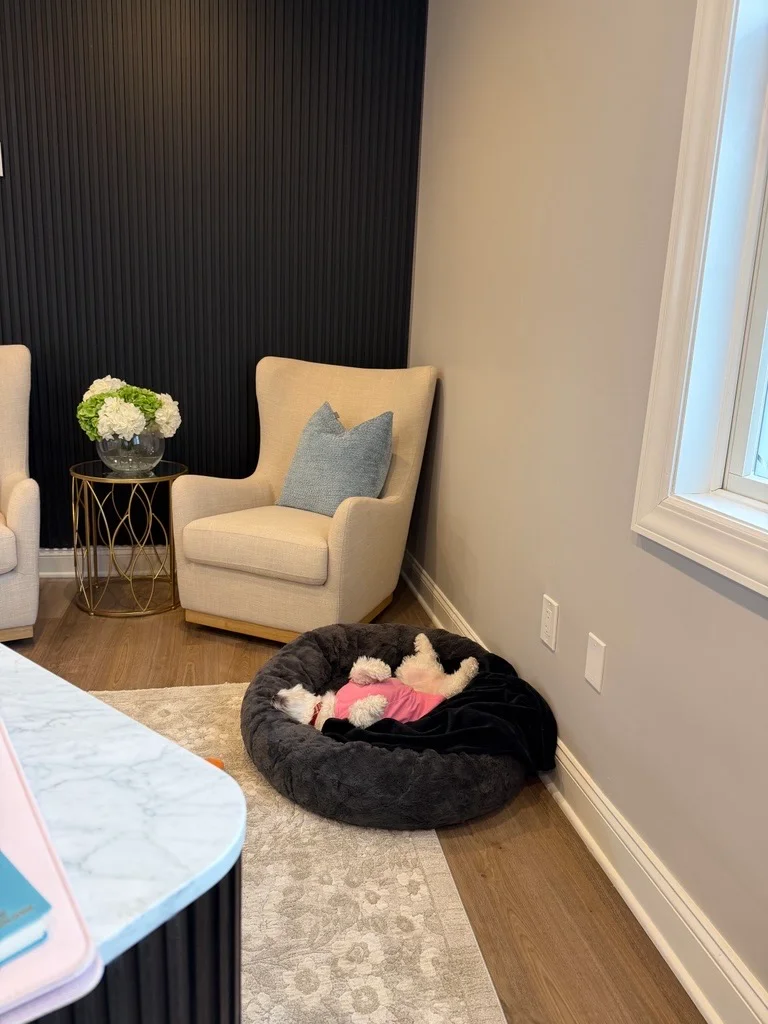
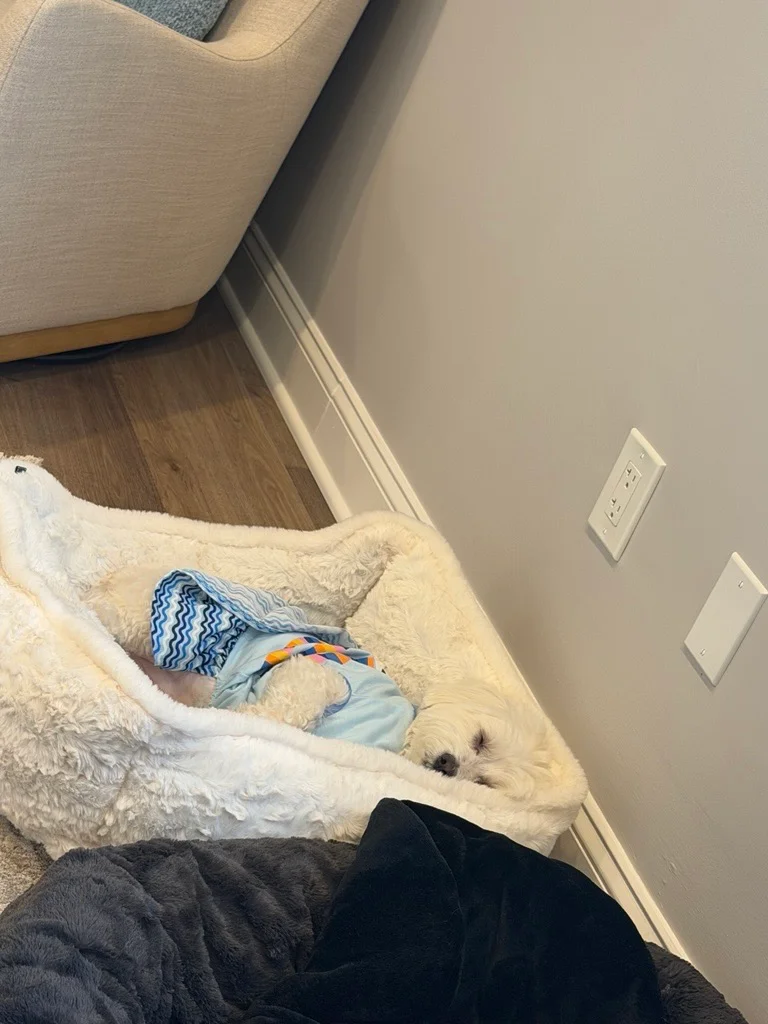
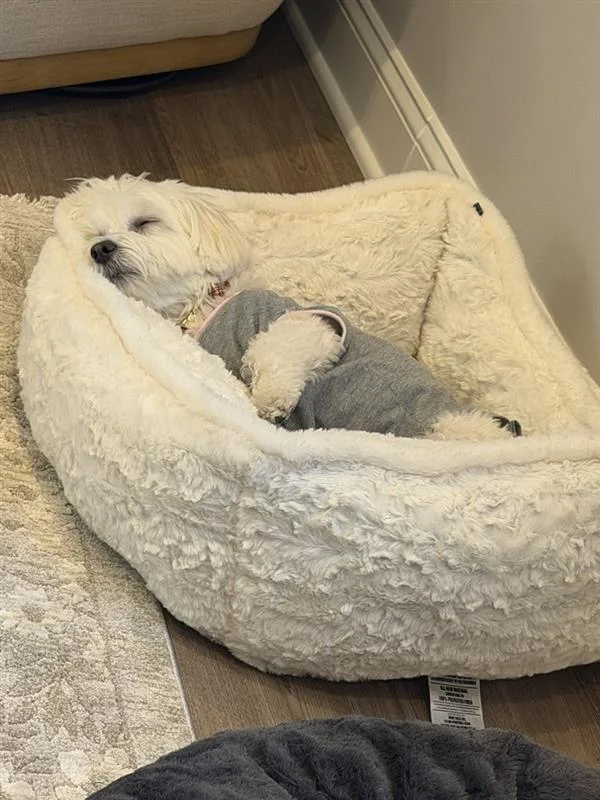
She also rides in the front seat of the car because seniority rules, and at 56 in human years, she has earned it. I carry her around the house and talk to her like a person. And honestly? She listens better than most people do. Do we get into arguments? Sometimes. And when she gets upset, I’ll find a little surprise in my closet. (She can be vindictive. 😊) It’s usually after she smells another dog on me, how dare I cheat on her, and sometimes it’s when I’ve been too focused on Maya. The sibling rivalry is very, very real.
The Emotional Intelligence We Don’t Talk About Enough
But here’s where it gets interesting, because I don’t just bring this up to be that person who won’t stop talking about her dogs (though fair warning, I am that person). What I’ve noticed over time is how genuinely intuitive both Lily and Maya are to the emotional temperature of a room. On the days when I’m stressed, when the calendar is impossible and my brain is already three conversations ahead of wherever I physically am, they come find me. They’ll sit next to me, nudge me, or just stare at me until I pick them up. They can feel something in my body that I haven’t even consciously registered yet. It’s not a coincidence. Dogs are wired to read human emotion, and it’s actually one of the things that makes them unlike almost any other animal on the planet.
They come to the office with me every day, and the team genuinely notices when they’re not there. Which, to be fair, might say something about how entertaining it is to watch a 13-pound dog lose her mind every time the UPS driver pulls up. Important work, very high stakes. But beyond the entertainment, they bring a warmth to the office that’s hard to manufacture. When they run to KP the second he opens his lunch, or trot through the hallways doing their rounds, the team feels their presence no matter their size. There’s something about an animal in a workspace that just softens the edges of a hard day.
There’s actual research behind all of this. Spending time with a dog lowers cortisol, the stress hormone, and raises oxytocin, the one associated with bonding and calm. It’s why therapy dogs work, why people feel genuinely better after a few minutes with an animal, and why I will never apologize for taking my dogs wherever I go. It’s science.
And for the cat people reading this, I see you, and I’m sure your feline offers a similar, if slightly more indifferent, version of emotional support. Dogs are just a little more obvious about it. (A little. 🙂 )
Joy Is Not a Reward. It’s a Requirement.
The bigger point I want to leave you with is this: joy is a practice, not a destination. It doesn’t arrive when your to-do list is done or when work finally slows down, because work doesn’t slow down. And I think a lot of us, especially leaders, have gotten into the habit of deferring joy. We tell ourselves we’ll enjoy things once the quarter is over, once the hire is made, once the project lands. But joy doesn’t wait for permission, and the days you need it most are usually the days you’re least likely to go looking for it.
That’s why I’ve started treating it like a non-negotiable. Not a reward, just a requirement. A moment in the morning with the girls before the emails start. A laugh in the middle of a long day because Lily is side-eyeing the UPS driver again. A story worth sharing, not because it’s profound, but because it made me smile, and smiling is worth something. Those moments matter. They do real things for your nervous system and your outlook. So the next time the day feels like too much, find your version of Lily, whatever that looks like for you, and let yourself actually feel it, because that small shift in your emotional state can carry you a lot further than you’d expect.