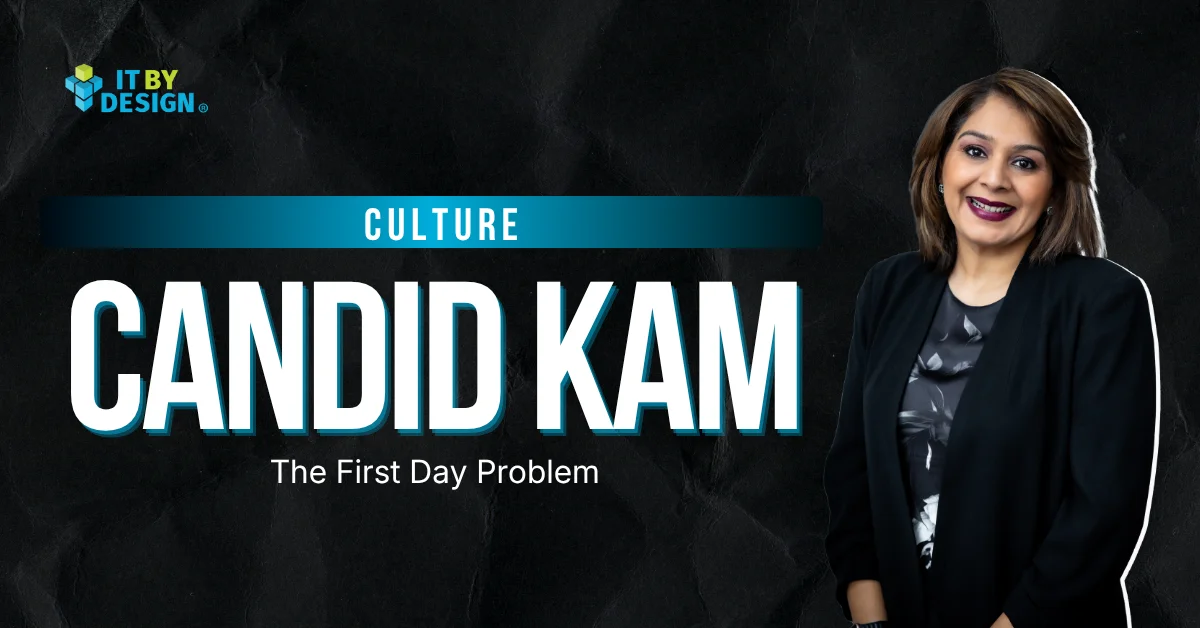
Last year, we brought on a new team member right in the thick of Build IT season. If you’ve ever been part of running a major conference, you know what that window looks like from the inside, if not, imagine Game of Thrones and you are Jon Snow and the White Walker army is headed straight for you – that pretty much sums it up. Calendars are impossible, everyone is heads-down, and the energy in the room is split about fifteen different ways. Our new person walked through the door ready to start, and the honest truth is that we just weren’t positioned to give them our best. The team tried, and I want to be clear about that, because they genuinely did. But I sensed it throughout the process. I knew it wasn’t our best version of onboarding.
So once the event wrapped and we brought on the next hire, we did something a little unconventional. We put the original team member through onboarding again. A full do-over, because they had earned a proper start and no amount of good intention during a hectic season is a fair substitute for that.
That experience was sitting in the back of my mind when I heard Horst Schulze speak at John Maxwell’s masterclass. Horst is the founder of Ritz-Carlton, one of the most recognized hospitality brands in the world, and a man who has thought more carefully about what it means to make people feel welcomed than almost anyone alive. He said something that stopped me: the first day of a new job is a significant emotional event, and it needs to be treated like one.
Why the First Day Carries So Much Weight
He’s right. Think about what it actually feels like to walk into a new position. There is real fear in that moment, genuine uncertainty about whether you’ll measure up to expectations, whether people will warm up to you, whether the culture you imagined during the interview actually exists when the lights are on. Every single person on your team has felt this. The question is what your organization does with that window.
The research supports it. Team members who go through a strong onboarding process are 90% more likely to achieve their job goals within the first year. That’s not a marginal difference. That’s the gap between someone who finds their footing quickly and someone who quietly struggles while nobody quite understands why. Those that struggle are likely to leave the organization within 6 months. That’s both money and time wasted.
Orientation and Onboarding Are Not the Same Thing
Here’s a distinction that I think gets lost constantly in most organizations. Orientation is handled by HR, and it serves an important purpose covering the paperwork, the systems, the benefits, and the company policies. It needs to happen and it needs to be done well. But onboarding belongs to the manager. Onboarding is the intentional, ongoing process of helping someone understand not just their role, but the company’s purpose, its culture, and where they genuinely fit inside of it. When managers hand that responsibility off entirely to HR, something real gets lost in the process – the sense of connection and purpose.
Horst made this point in a way I haven’t forgotten. He said that when companies open orientation with rules and function rather than purpose and belonging, they leave a vacuum, and something always fills a vacuum. Usually it’s the colleague who pulls the new hire aside on day two and spends the afternoon telling them everything that’s wrong with the place. Most of us have either been that new hire or watched it happen to someone else.
What This Looks Like at ITBD
At ITBD, one of the things we do intentionally is rotate new team members through different parts of the organization early on. We want them to understand the whole company, not just their piece of it. But we’re also very deliberate about who they spend that time with. Brand ambassadors matter enormously in this process. The person you ask to walk someone through their first weeks is communicating your values and your culture whether they realize it or not, so you have to be thoughtful and specific about who those people are.
Our goal on every first day is that the person walking out the door that evening feels like they’ve become part of a community. Are we perfect at it? No. Onboarding isn’t a 30-day event that closes when HR files the paperwork. It’s a continuous process, and the only honest standard is to keep working to be better at it than you were the year before.
The best onboarding programs share one thing: the new hire walks away on day one feeling like they made the right choice. That doesn’t happen by accident, and it doesn’t happen because HR sent a welcome email. A great first day stays with you for years. A bad one does too, just for different reasons.